Pioneering CFD Scientist & AI Research Engineer
Bridging Computational Fluid Dynamics, Physics-Informed AI, and Biomedical Innovation.
A decade at the intersection of mathematics, computation, and engineering.
The future of engineering is computational, physics-informed, and intelligent. My work lives at that intersection.โ Dr. Mohammad Sarabian
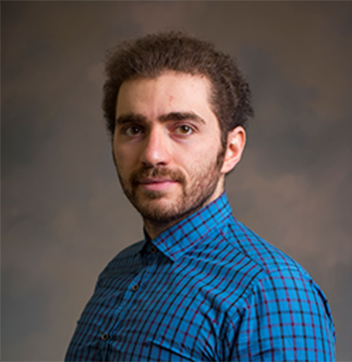
Dr. Mohammad Sarabian is a Senior Research Scientist at GE HealthCare Company (MIM Software), specializing in the intersection of computational fluid dynamics, physics-informed AI, and biomedical engineering. With a PhD in Mechanical Engineering from Ohio University and postdoctoral training at the University of Arizona, he has spent over a decade developing cutting-edge mathematical and computational frameworks that drive innovation across diverse engineering fields.
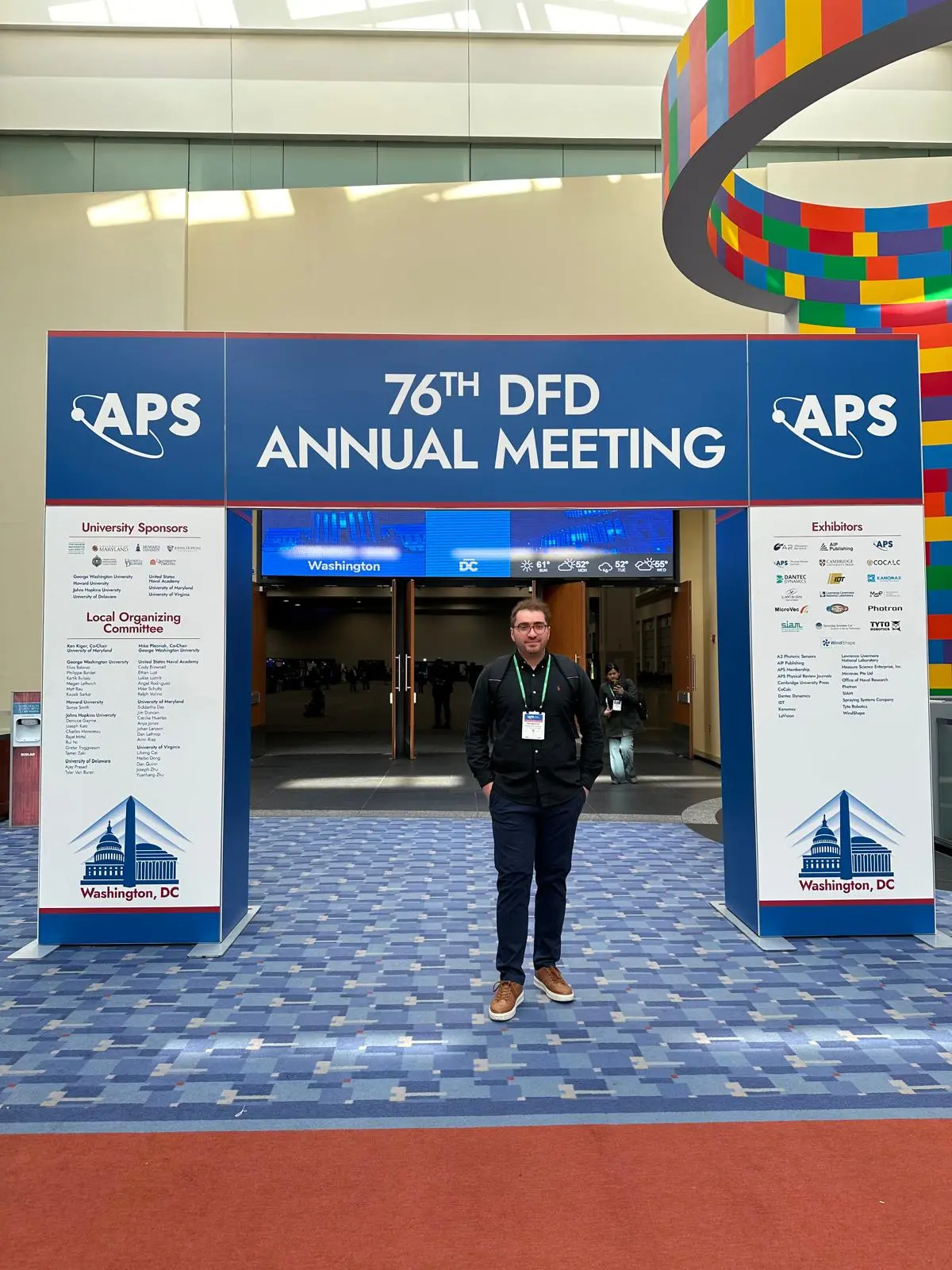
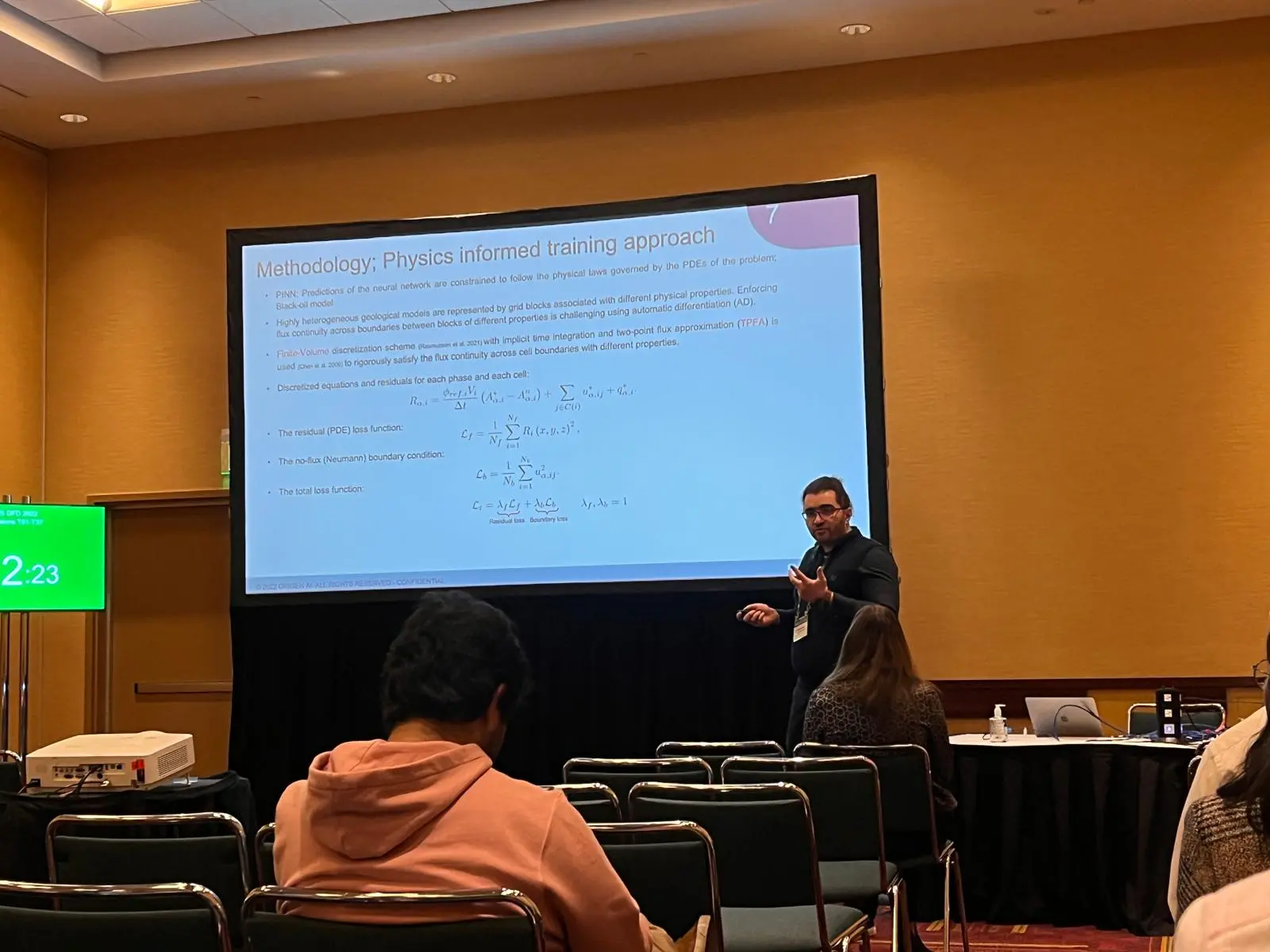
His work spans AI-driven digital twins for cardiovascular disease, cerebrovascular hemodynamic modeling, Nitinol medical device simulation, and surrogate modeling for subsurface flows. He has published in top-tier journals including IEEE Transactions on Medical Imaging, Journal of Fluid Mechanics, and Acta Biomaterialia, and has presented at the American Physical Society's Division of Fluid Dynamics (APS-DFD) annually.
Currently, his research focuses on integrating physics-informed methods into clinical imaging pipelines, where mathematical rigor and machine learning combine to deliver measurable impact in diagnostics and treatment planning.
A career spanning industry research labs, top academic institutions, and AI startups.
Medical image-based AI research, computational modeling for clinical workflows, and integration of physics-informed methods into diagnostic imaging pipelines.
Developed innovative CFD models for medical device optimization (cardiovascular and cerebrovascular devices). Created mathematical surrogate models enabling rapid design assessment. Built Nitinol constitutive modeling platforms (Streamlit-based) supporting multiple material models (SuperE32, SuperEP33, SuperEP35 Anisotropic).
Pioneered physics-inspired AI frameworks to accelerate CFD simulations of multiphase porous media. Developed novel PINN surrogate models for assisted history matching (AHM). Built CNN + Transformer networks for subsurface flow prediction.
Developed the Area Surrogate Physics-Informed Neural Network (AS-PINN) for cerebral blood flow hemodynamic prediction, validated against 4D flow MRI clinical data. Developed brain disease classification models.
Experimental investigations and direct numerical simulations of rigid particles in shear flows of Newtonian and complex fluids. Developed custom PIV/PTV systems. Collaborated with Prof. Luca Brandt (KTH) on IBM-based solvers.
Transonic compressor rotor CFD simulations, auto-ignition processes, and microchannel water-gas shift surface reactors.
Formal training across leading institutions in computational and experimental mechanics.
A multidisciplinary toolkit spanning mathematics, computation, AI, and engineering.
Peer-reviewed work in top-tier journals at the intersection of CFD, AI, and biomedical engineering.
Ask anything about my career, publications, skills, or research interests.
Whether you're interested in research collaboration, speaking opportunities, or just want to discuss the latest in AI-driven CFD โ I'd love to hear from you.